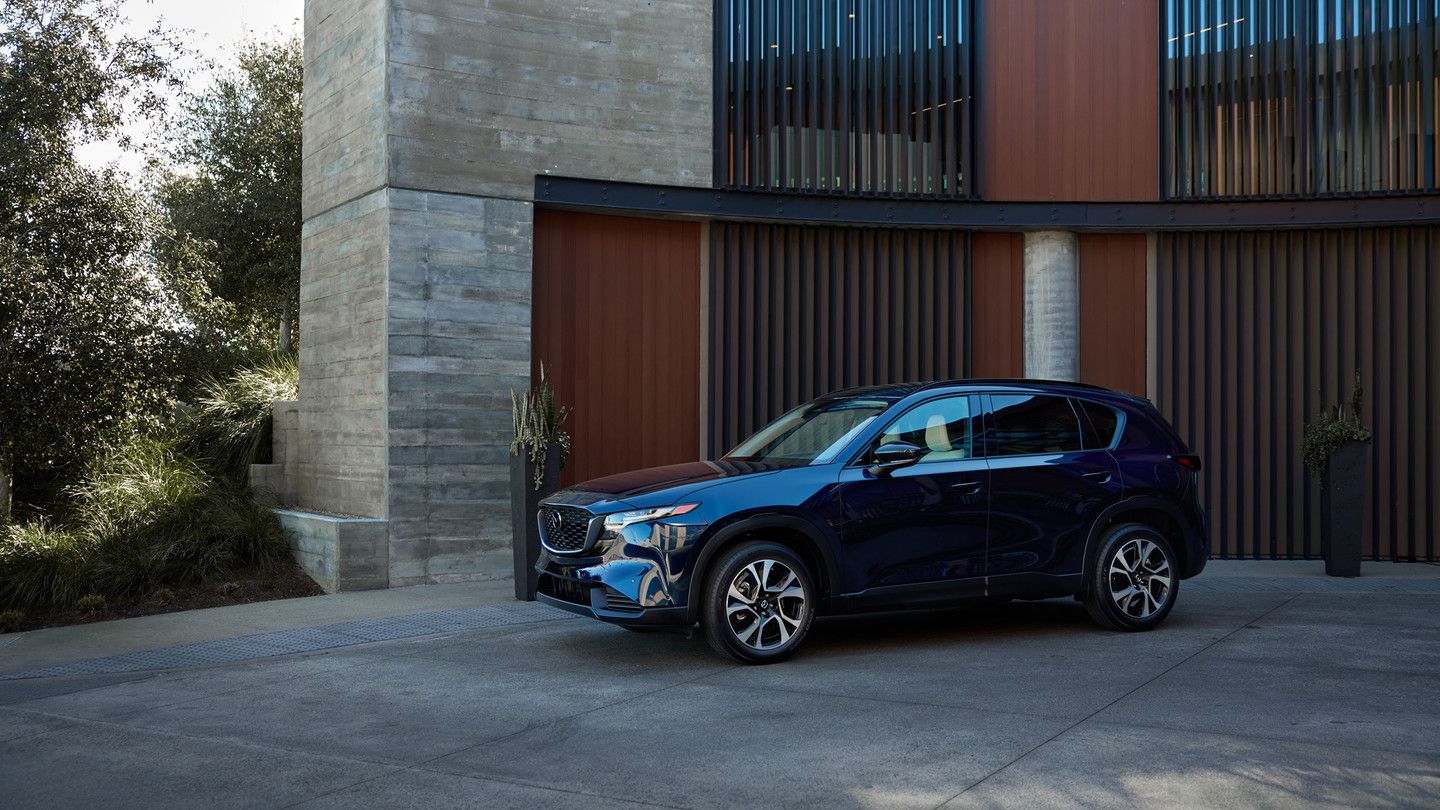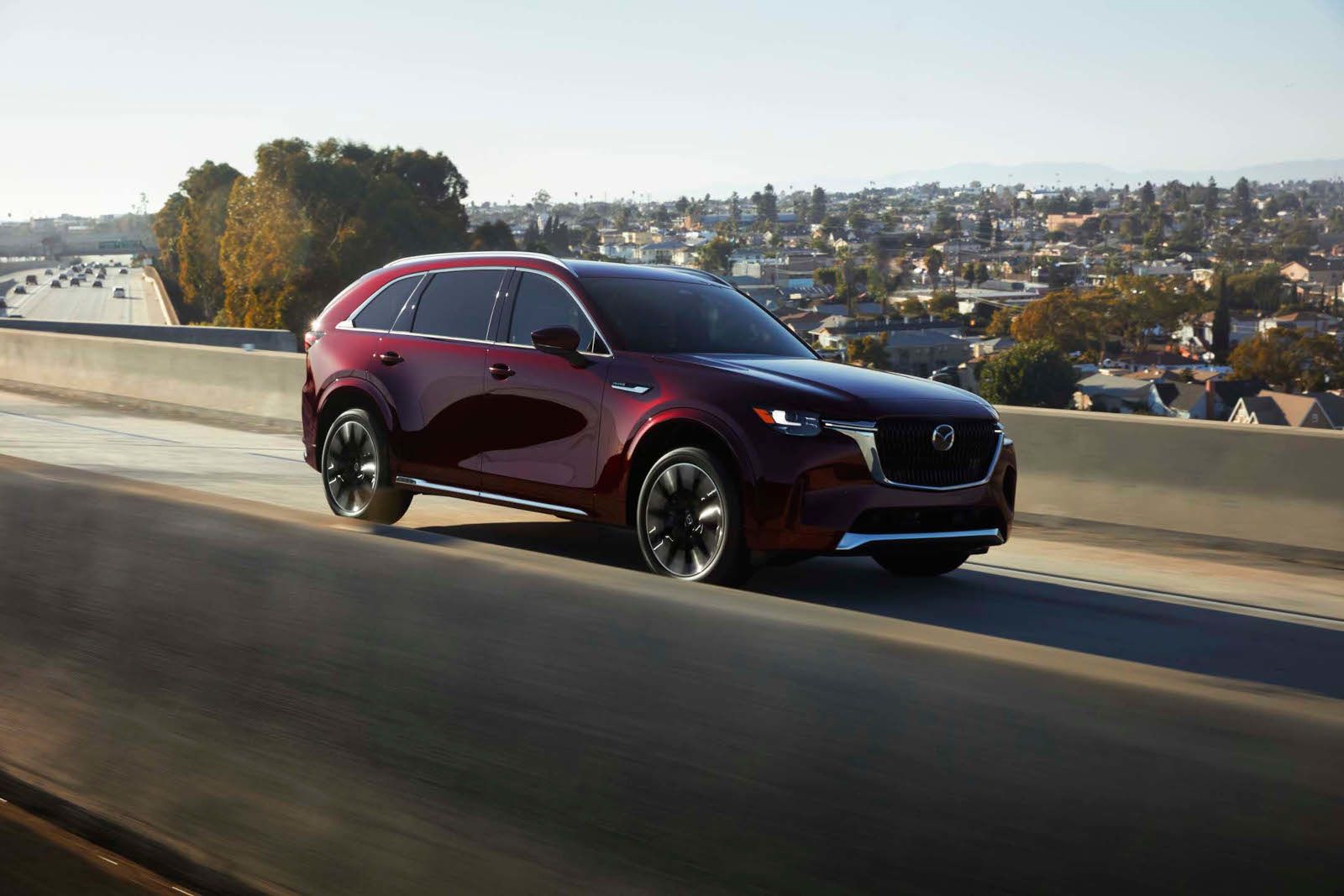
Should You Go Plug-In Hybrid? Key Questions About the 2026 Mazda CX-90 and CX-70 PHEVs
February 24 2026,
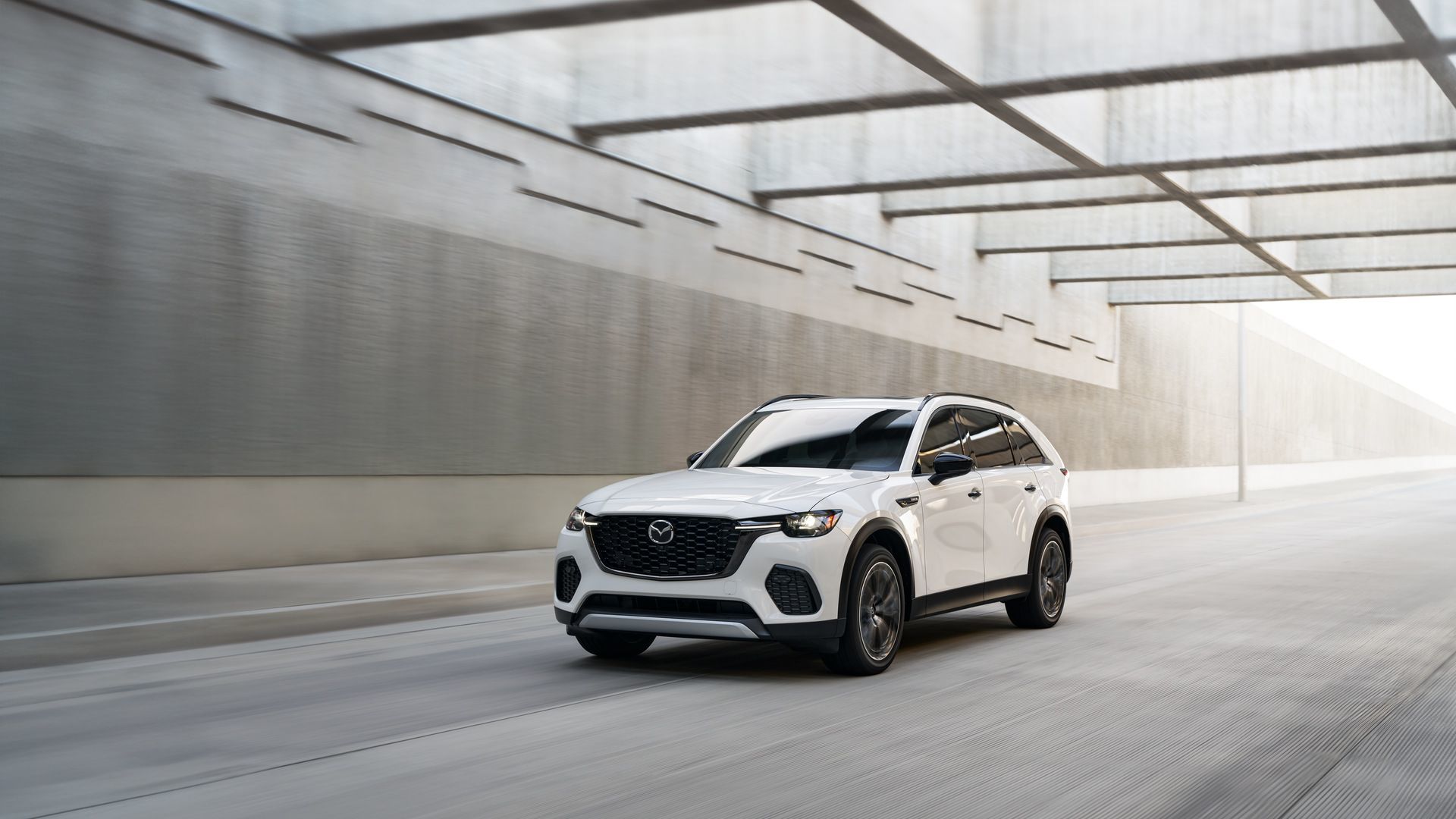
The shift toward electrification raises practical questions for drivers across Alberta. Mazda's plug-in hybrid models - the 2026 CX-90 PHEV and 2026 CX-70 PHEV - pair electric-only commuting with the reassurance of a gasoline engine for longer journeys. For families and professionals evaluating their next SUV, understanding how these powertrains perform in real-world conditions can clarify whether a PHEV aligns with daily driving patterns and regional infrastructure.
This guide addresses common questions about Mazda's PHEV technology, from charging logistics to cold-weather battery performance. Both models offer distinct advantages for drivers seeking flexibility without compromising on space, capability, or the driving experience Mazda is known for.
How Does Mazda's Plug-In Hybrid Powertrain Work?
The 2026 CX-90 PHEV and 2026 CX-70 PHEV share the same e-Skyactiv PHEV system. This powertrain pairs a 2.5-litre naturally aspirated four-cylinder engine with an electric motor and a 17.8 kWh high-capacity battery. Combined output reaches 323 hp and 369 lb-ft of torque when using the recommended 91-octane premium fuel.
Mazda Intelligent Drive Select (Mi-Drive) includes Normal, Sport, Off-Road, and EV modes. EV mode allows the vehicle to operate solely on electric power for up to 42 kilometres. Once the battery depletes, the gasoline engine takes over, functioning as a conventional hybrid. This dual-source approach eliminates range anxiety while maximizing electric driving for daily commutes.
The system automatically manages power distribution based on driving conditions. During acceleration or highway merging, both the engine and motor work together to deliver responsive performance. In stop-and-go traffic, the electric motor handles propulsion, conserving fuel and reducing emissions.
What Are the Key Differences Between the CX-90 PHEV and CX-70 PHEV?
While both models use the same PHEV powertrain, their design and purpose differ. The 2026 CX-90 PHEV offers seating for up to eight passengers in a 2-3-3 layout, making it Mazda's largest family crossover. The CX-70 PHEV features a two-row configuration, prioritizing cargo space and towing capability.
Interior appointments also vary by trim. The CX-90 PHEV GS starts with cloth upholstery, heated front seats, tri-zone automatic climate control with dedicated third-row vents, and a 10.25-inch full-colour centre display with Apple CarPlay and Android Auto. The CX-90 PHEV GS-L adds piano black accents, a power glass sunroof, and 19-inch alloy wheels. The CX-70 PHEV GS-L SC includes leather seats, a 12.3-inch Mazda Connect infotainment system, and an 8-speaker audio system.
Pricing reflects these differences. The 2026 CX-90 PHEV GS starts at $53,750, while the CX-90 PHEV GS-L begins at $57,750. Pricing shown reflects the price at the time of writing. Final pricing may vary. Higher trims such as the CX-70 PHEV GT ($61,350) and Signature ($68,300) offer additional luxury features.
How Do You Charge a Plug-In Hybrid?
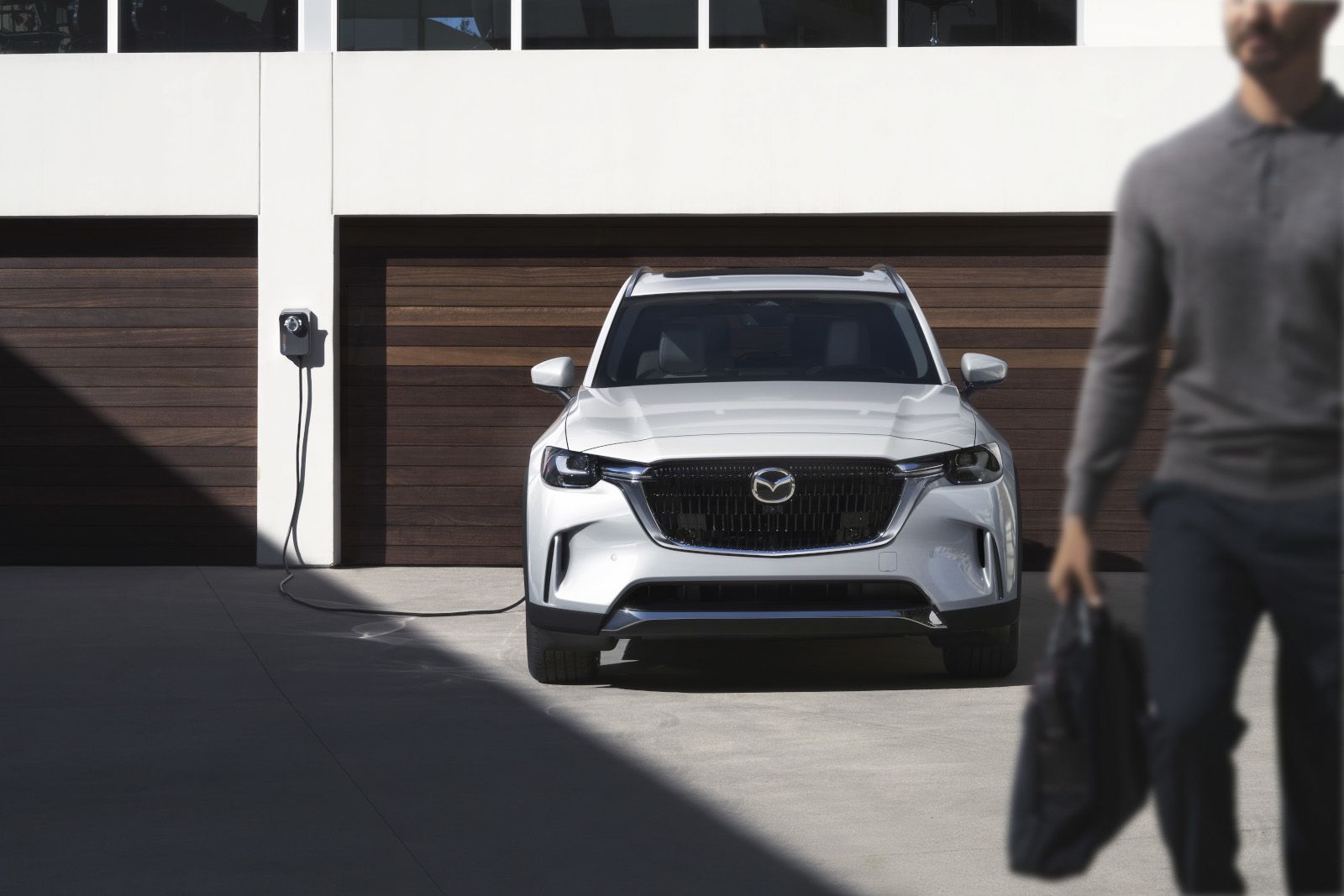
Charging a PHEV is straightforward. Both models use a standard household outlet for Level 1 charging, which requires no special equipment. For faster charging, a Level 2 home charger can be installed by a licensed electrician. Many drivers charge overnight, ensuring a full battery each morning.
Public charging stations are also compatible with Mazda's PHEV models. These stations are increasingly available across Alberta, particularly in urban centres and along major highways. Apps and in-vehicle navigation systems help locate nearby charging points, making it easy to top up during errands or road trips.
Unlike battery electric vehicles, PHEVs do not require charging to function. If a charging station is unavailable, the gasoline engine provides uninterrupted driving. This flexibility removes the need to plan trips around charging infrastructure, a considerable advantage for drivers who travel frequently or live in areas with limited charging access.
How Does Cold Weather Affect Battery Performance?
Alberta winters test any vehicle's capabilities. Lithium-ion batteries, like those in Mazda's PHEVs, experience reduced capacity in freezing temperatures. Drivers may notice a shorter electric range during winter months, as the battery works harder to maintain performance and cabin heat.
Mazda's PHEV system includes thermal management features to mitigate cold-weather effects. The battery is preconditioned when the vehicle is plugged in, warming it before departure. This process preserves range and ensures the battery operates efficiently even in sub-zero conditions.
The gasoline engine also serves as a backup heat source. When the battery's charge is low or temperatures drop substantially, the engine can provide cabin warmth without draining the battery. This dual heating approach maintains comfort without compromising electric driving efficiency.
What Are the Fuel Economy Benefits?
Fuel economy varies based on driving habits and charging frequency. Drivers who charge regularly and complete most trips within the 42-kilometre electric range will see substantially lower fuel consumption compared to traditional gasoline-only SUVs.
For daily commutes under 40 kilometres, both PHEV models can operate entirely on electric power. This eliminates fuel costs for routine trips such as school drop-offs, grocery runs, or short work commutes. Longer journeys benefit from the hybrid system's efficiency, which optimizes engine and motor usage to minimize fuel consumption.
The CX-70 PHEV delivers balanced performance across city and highway driving. Its two-row design and lighter weight contribute to efficient operation. Drivers who prioritize cargo capacity will find the CX-70 PHEV offers both utility and fuel savings compared to traditional gasoline-only SUVs.
Is a Plug-In Hybrid Right for Your Driving Needs?
Determining if a PHEV suits your lifestyle depends on daily driving patterns and access to charging. Drivers with short commutes and home charging benefit most from a PHEV. The ability to complete routine trips on electric power alone reduces fuel costs and emissions. For those who travel longer distances regularly, the gasoline engine provides reassurance without the need to stop at charging stations.
Families requiring three-row seating will find the CX-90 PHEV accommodates up to eight passengers while delivering the efficiency of a plug-in hybrid. The CX-70 PHEV appeals to drivers who need spacious cargo areas without sacrificing electrification benefits. Both models integrate technology such as Apple CarPlay, Android Auto, and Mazda's straightforward infotainment system, ensuring connectivity and convenience.
Learn More at Sunridge Mazda
Exploring Mazda's plug-in hybrid lineup in person provides clarity on how these vehicles fit your daily routine. Our team at Sunridge Mazda is ready to answer questions about charging, performance, and available trims. If you're considering the spacious CX-90 PHEV or the versatile CX-70 PHEV, we can help you determine which model aligns with your needs.